The wedding moodboard
The process of planning a wedding is an adventure full of choices, creativity and dreams. The wedding moodboard is a powerful yet often overlooked tool at the heart of this process. It is not merely a collection of images; it is a perspective, a visual language that turns the couple's most precious dreams into concrete reality. Whether you are a bride-to-be in the midst of preparations or a wedding planner in search of inspiration, the moodboard is your guide, steering every decision, from the reception venue down to the smallest decorative details. In this article, we will look at how to design a moodboard that perfectly reflects the essence of your exceptional day, ensuring your wedding is as original and unforgettable as your love story.
What is a wedding moodboard and why is it essential?
Definition and role of the wedding moodboard
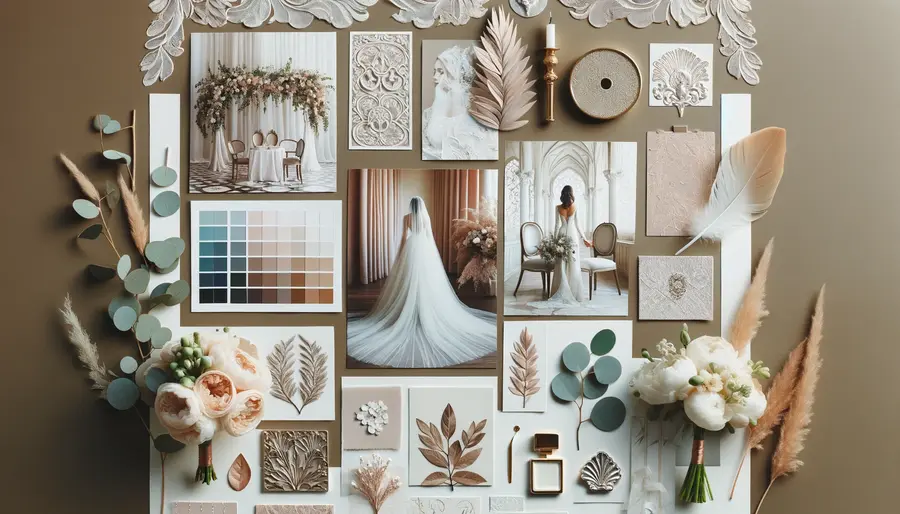
A wedding moodboard, or inspiration board, is a visual collage bringing together images, texts, and objects that represent the style, colour, and atmosphere desired for your wedding. This inspiration board is an essential tool in planning your wedding, serving as a guide for all decorative and thematic decisions. It captures the essence of what you envision for your special day, translating your ideas and dreams into a coherent vision that you, your partner, and your suppliers can share.
It is also a support for the creation of your save-the-dates, invitations, thank-you cards and welcome signs.
Order your moodboards: general, décor-focused or dress code from iliade créations for 30€. For our clients who have taken out a décor package, we also offer the creation of digital invitations, welcome sign, and other coordinated items.
Bringing the wedding vision to life
The moodboard is crucial for bringing the vision of your wedding to life. It offers a visual translation of the feelings and emotions you wish to evoke on the big day. Whether you dream of a country wedding, bohemian, glamorous or minimalist celebration, the moodboard turns these ideas into a palette of colours, textures and patterns. It serves as a reference throughout the preparations, ensuring that every element, from the reception venue to the floral arrangements, is in harmony with your vision.
Communication with suppliers
Creating a moodboard for your wedding greatly facilitates communication with your suppliers. Rather than trying to explain your ideas with words alone, you can show them concretely what you have in mind. This visual sharing eliminates misunderstandings and ensures that florists, photographers, and decorators perfectly understand the style and atmosphere you are aiming for. It is an invaluable collaboration tool that helps everyone work towards a common goal.
Assistance with decision-making and thematic consistency
The wedding moodboard plays a crucial role in decorative and organisational decisions. By having an overall view of what you want, you can easily identify what does or does not match your vision. This helps you remain focused and avoid impulsive decisions that could break the consistency of your theme. In addition, the moodboard ensures that every aspect of your wedding — from the stationery to the newly-weds' attire — forms a harmonious whole and truly reflects your personality and that of your partner.
A tool for continuous inspiration
Beyond its practical function, a wedding moodboard is a constant source of inspiration. During moments of stress or uncertainty, referring back to your moodboard can rekindle your enthusiasm and remind you of the beauty of what you are creating. It can also inspire new ideas and allow you to adjust your vision as the preparations progress.
In short, the moodboard is far more than a simple collection of images; it is the heart of planning your wedding. It transforms your most blurred dreams into a tangible vision, serves as a compass for your decorative decisions, facilitates communication with your suppliers, and ensures that every aspect of your wedding contributes to creating a memorable and coherent experience. That is why creating a wedding moodboard est une étape essentielle pour toute mariée ou wedding planner qui aspire à créer une célébration véritablement unique et personnelle. Si vous en êtes encore à poser les grandes lignes, le premier chapitre de notre guide vous aide à clarifier votre vision et vos priorités avant même de rassembler les premières images.
Steps to create or have your wedding moodboard created
Selecting sources of inspiration
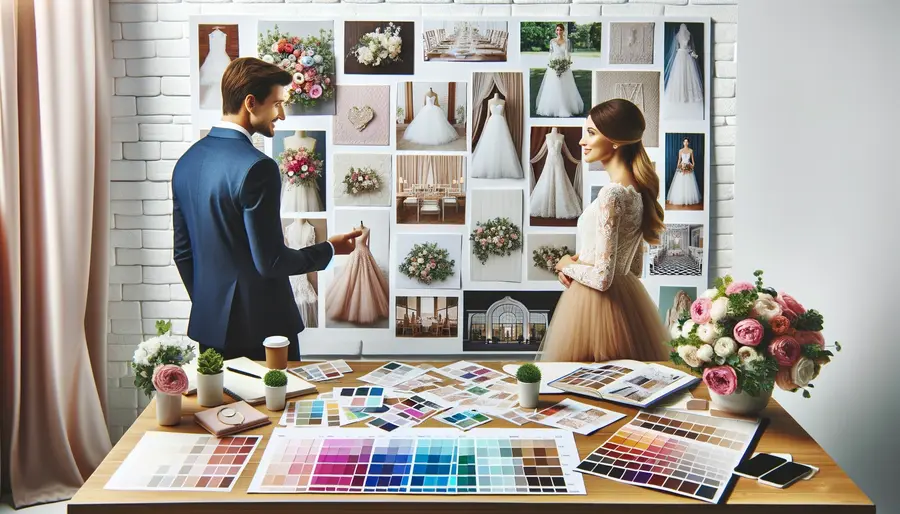
Creating a moodboard for your wedding begins with the gathering of inspirations. Explore various sources such as wedding blogs, specialised magazines, image-sharing platforms like Pinterest or Instagram, and even elements of nature or art that speak to you. The aim is to gather everything that evokes the atmosphere and style you want for your special day. Do not forget to note the trending wedding themes that catch your attention for additional inspiration.
Choosing colours, textures, and key elements
Once you have a clear idea of your inspiration, start defining your colour palette, the textures you like, and the key elements such as types of flowers, decorative patterns, the theme or the photographic style. These choices will be the foundations of your wedding moodboard and will guide every future decision, from the choice of venue to the arrangements.
Inspirations and trends for your wedding moodboard
Following the latest trends
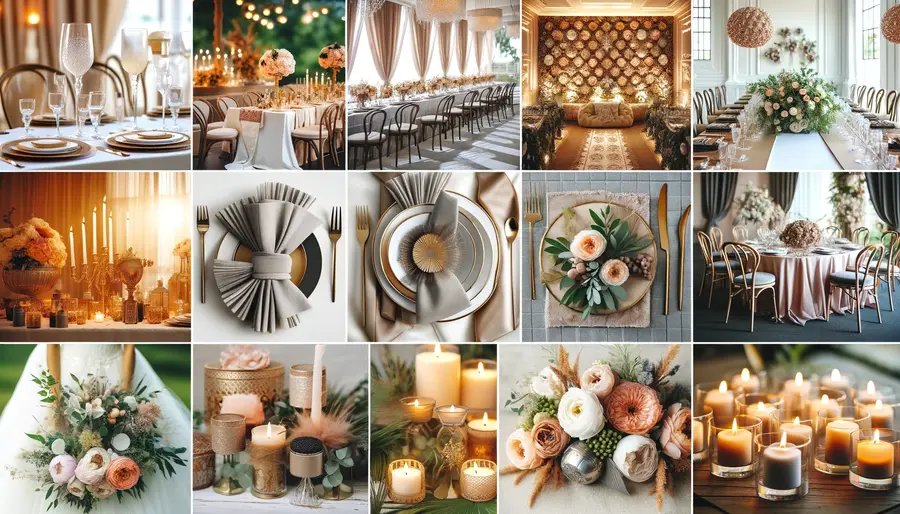
Wedding trends, although fluctuating, can be a valuable source of inspiration for your wedding moodboard. They often reflect creative innovations and can offer fresh ideas for your celebration. Whether drawing inspiration from the colours announced by Pantone, the styles of bridal gowns captured on the runways, or the decorative themes emerging on social media, these elements can add a current and on-trend dimension to your wedding. However, relevance is crucial: select trends that align with your personal narrative. If a trending colour complements your palette or a popular theme evokes your story, incorporate them in a way that reinforces — rather than eclipses — your unique vision.
Finding inspiration around you
Inspiration for your wedding moodboard need not be confined to the traditional limits of the bridal world. It can come from an infinite variety of personal and meaningful sources. Perhaps you will be inspired by the serene atmosphere of a café where you had a memorable first date, or by the vibrant patterns of an artwork that captured your imagination. These influences, once incorporated into your moodboard, infuse your wedding with a personality and authenticity that truly resonate with who you are and what you cherish. This ensures that your wedding looks like no other and reflects your unique journey as a couple.
Adapting trends to your style
It is tempting to seize an alluring trend and let it dictate the style of your wedding. However, a memorable wedding is one that is imbued with the essence of the couple at the heart of the celebration. Your wedding moodboard should therefore be a canvas on which your personal tastes, your story, and your passions are expressed with sincerity. If a trend appeals to you, think about how you can personalise it. For example, if bohemian-style weddings are in fashion, but you and your partner are lovers of classical music, you could adapt the theme to include design elements that evoke musical scores or classical instruments. This approach ensures that trends serve as a complement to your narrative, and not the other way around.
Mistakes to avoid when creating your moodboard
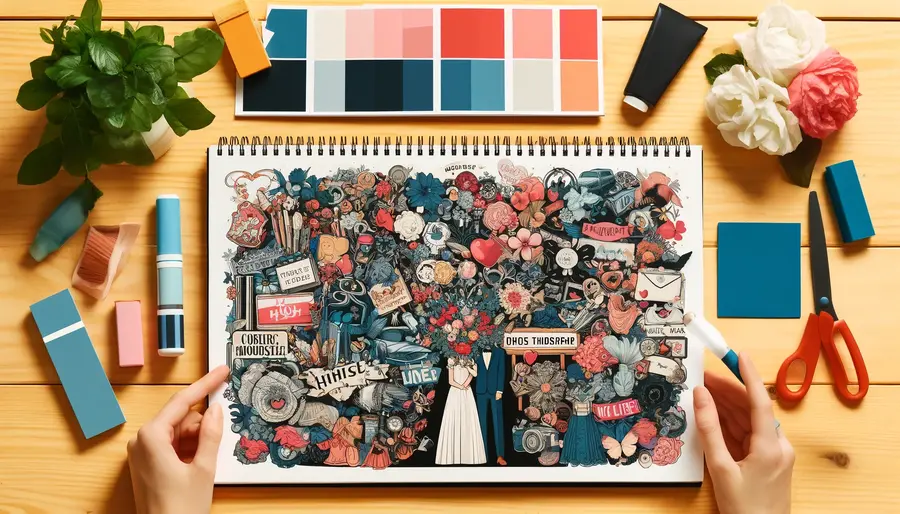
Avoiding information overload
An overloaded moodboard can become a source of confusion rather than clarity. When compiling your wedding moodboard, it is tempting to include every image, texture or pattern that appeals to you. However, an abundance of elements can dilute your vision and make it harder for your suppliers, who are seeking to understand your expectations. Focus on the essence of your wedding style and select only the elements that contribute directly to that vision. Think of your moodboard as a treasure map, where every clue must lead clearly and directly to the desired destination: your perfect wedding.
Do not ignore the budget
It is crucial that your wedding moodboard reflects a vision that you can afford to bring to life. Including images of luxurious weddings or extravagantly priced decor when your budget is limited creates a gap between dream and reality. For each element you add to your moodboard, assess its cost and consider affordable alternatives if necessary. For example, if a certain flower is too costly, look for options that offer a similar effect at a lower cost. By staying within the limits of your budget from the design phase onwards, you spare yourself stress and disappointment later.
Maintaining flexibility
Adaptability is a valuable quality in planning your wedding. Your moodboard must be flexible, capable of adapting to the inevitable changes that will arise during the preparations. Whether it is a reception venue that is no longer available, an out-of-season flower or a decorative element no longer in stock, your moodboard must be able to evolve. Seeing these changes not as obstacles but as opportunities for creativity will help you remain positive and open to new ideas that could enrich your wedding. Remember: your moodboard is a guide, not a set of absolute rules. It must inspire and direct, while allowing enough latitude for adjustments and improvements.
Using your moodboard to communicate your vision
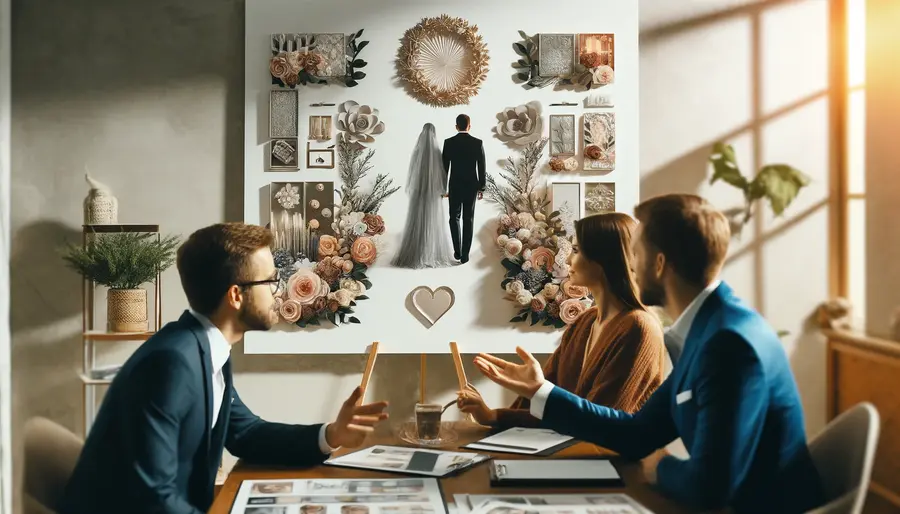
Sharing with suppliers
Collaboration with your suppliers is essential to transform your wedding moodboard into reality. That is why it is crucial to share your moodboard with them from the outset. This initial step creates a solid foundation for collaboration and helps align their contributions with your vision. When choosing your suppliers — florists, photographers, caterers, or decorators — present your moodboard to them and discuss it. This will allow them to grasp the overall concept of your wedding, including the colours, textures, and atmospheres you prefer. It is an effective way to ensure that the ideas you have in mind translate correctly into every aspect of your wedding.
Ensuring understanding
Your wedding moodboard is a dynamic communication tool. Use it as a reference point in your meetings with suppliers. It should serve as a catalyst for in-depth discussions on the specific details of your wedding. For example, show your moodboard to your florist to explain exactly what kind of floral arrangements you envisage. Likewise, share it with your photographer to illustrate the style of photographs you wish. By ensuring that your suppliers understand your vision, you foster better cooperation and avoid misunderstandings that could arise later in the planning process.
Adjustments and revisions
Be prepared to revise and adjust your wedding moodboard. Feedback from your suppliers can bring new perspectives and ideas that could enrich your initial vision. Furthermore, logistical or budgetary constraints may require changes. Approach these adjustments with flexibility and an open mind. A moodboard is not a set of strict rules, but rather an evolving guide that can adapt to practical realities while retaining the essence of your wedding vision.
These steps of sharing, understanding, and revising are essential to use your moodboard optimally. They ensure that every decision, from the smallest to the most significant, is made with consideration of your overall vision, thus ensuring that your special day is as beautiful as you imagined.
Frequently asked questions
How do I choose images for my wedding moodboard?
- Choosing images for your wedding moodboard involves selecting visuals that resonate with your vision of the day. Begin by defining the theme of your wedding, your colour palette and the overall atmosphere you wish to create. Then look for images that reflect these elements, whether photographs of real weddings, floral compositions, colour palettes or decorative details. Mix sources for a wealth of inspiration, including tangible elements such as fabric samples or magazine cuttings.
How long before my wedding should I create my moodboard?
- Ideally, your wedding moodboard should be one of the first steps in your planning process, around 9 to 12 months before the wedding. This leaves you enough time to refine your vision, share your moodboard with your suppliers, and allow every element of your wedding to align harmoniously with your chosen theme.
Can I have several moodboards for different parts of my wedding?
- Absolutely, having several wedding moodboards can be useful for detailing the various aspects of your day. For example, you can have a moodboard dedicated to the ceremony, another for the reception, and a third for your outfit and that of the bridal party. This approach ensures that every element of your wedding receives particular attention and fits perfectly into the overall framework.
How can I match my moodboard with my budget?
- To align your wedding moodboard with your budget, start by researching cost-effective alternatives to the high-end elements you like. For example, if a particular flower or decoration exceeds your budget, look for similar but more affordable options. Be transparent with your suppliers about your budget limits and ask them for creative solutions to bring your vision to life without financial compromise.
Is it necessary to share my moodboard with all my suppliers?
- By answering these questions, you will be better able to navigate the process of creating and using your wedding moodboard, ensuring that your special day unfolds exactly as you imagined.
By answering these questions, you will be better able to navigate the process of creating and using your wedding moodboard, ensuring that your special day unfolds exactly as you imagined.
Conclusion
The wedding moodboard is more than a simple planning tool; it is the foundation of the day of your dreams. By following this advice, you will be able to create a moodboard that not only inspires every stage of your wedding but also ensures that every element reflects your unique story. Remember: the perfect wedding begins with a perfect vision.