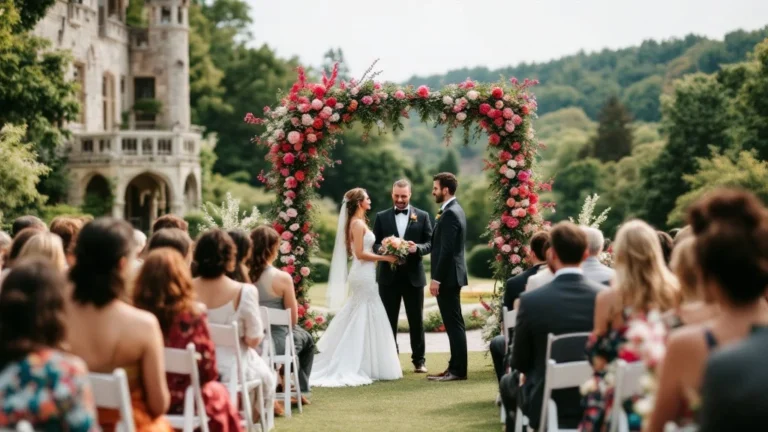
27 March 2024
Which secular ceremony ritual should you choose? There is, but , but which ritual should you choose for your secular ceremony some can be carried out as a couple and others involve the participation of all the guests. The future newly-weds have the opportunity todesign their own ritual preferences, preferences, passionscultural origins , and other.
Do you love powerful symbols? Discover how to adopt a chuppah as your ceremony backdrop, even a secular one.
personal criteria it falls to thecelebrant to briefly explain its symbolismit is up to the officiant to briefly explain its symbolism
, so that all participants can understand it.

The ring ritual: a timeless ceremony The wedding ceremony is a special occasion where traditions and rituals take on particular importance. Among these rituals, the exchange of rings occupies acentral and symbolic place. This emblematic moment, charged with emotion, marks the mutual commitment
Theof the future newly-weds and seals their union before their loved ones. floral aisle the wedding ringsthe rings , symbols of love and eternal commitment, are carefully prepared and placed on a cushion by the officiant or a family member. This cushion can be adorned with meaningful patterns orspecial decorations chosen by the newly-weds
, thereby adding a personal touch to this solemn moment.When the time comes for theexchange of rings , the future newly-weds standface to face vows, ready to say their . Traditionally, the officiant first invites the groom to slip the ring onto the finger of his future wife, thus symbolising his commitment and hispromise of eternal love
. Then it is the bride's turn to place the ring on her future husband's finger, thereby sealing their mutual commitment. This ritual is often accompanied by meaningful wordscelebrantofficiant , underlining the importance of thissymbolic exchange
. These words can express their love, their mutual commitment, or their aspirations for the future. It is also a moment when the loved ones of the newly-weds can be invited to testify to their support and affection towards the couple, thus reinforcing family and community ties.
Once the rings have been exchanged, the newly-weds seal this moment with a kiss, the ultimate symbol of their love and commitment. This gesture marks the beginning of a new stage in their life together, imbued with happiness, complicity and sharing.
In conclusion, the exchange of rings at a wedding ceremony is far more than a simple ritual; it is a powerful symbol of the love and eternal commitment between two people.

The Handfasting ritual: a secular ceremony of closenessthe handfasting ceremony , also known ashandfasting , represents an ancestral ritualof marriage, originating from the pagan lands ofIreland and Scotland . This nuptial symbol is also widespread in Wiccan ceremonies, particularly those of Celtic, shamanic or Nordic inspiration. Deeply symbolic, this practice carries a particularly strong meaning. During the ceremony, the future newly-weds hold each other by the hand, thereby expressing their mutual tenderness, but also their commitment to support one another through the trials of life.Joined hands evoke the ability to caress with gentleness
, but also to build a common future together. The course of the handfasting ceremony may vary depending on the preferences and traditions of the newly-weds, as well as the specific interpretations of the officiants. Generally, the participants stand face to face, each holding one end of a ribbon, a cord or a piece of fabric, thus symbolising their bond and their union. While the words of the union are pronounced,the ribbon is wound around the hands of the newly-weds
, binding them symbolically to one another.
This ritual can also be enriched by additional elements, such as blessings, prayers or exchanges of personalised vows. At the end of the ceremony, the ribbon is tied to seal the commitment of the newly-weds, thereby symbolising their indissoluble connection.
The handfasting ceremony is not only charged with meaning and emotion, but also offers the newly-weds a privileged moment to express their love and mutual commitment in a deep and symbolic way.
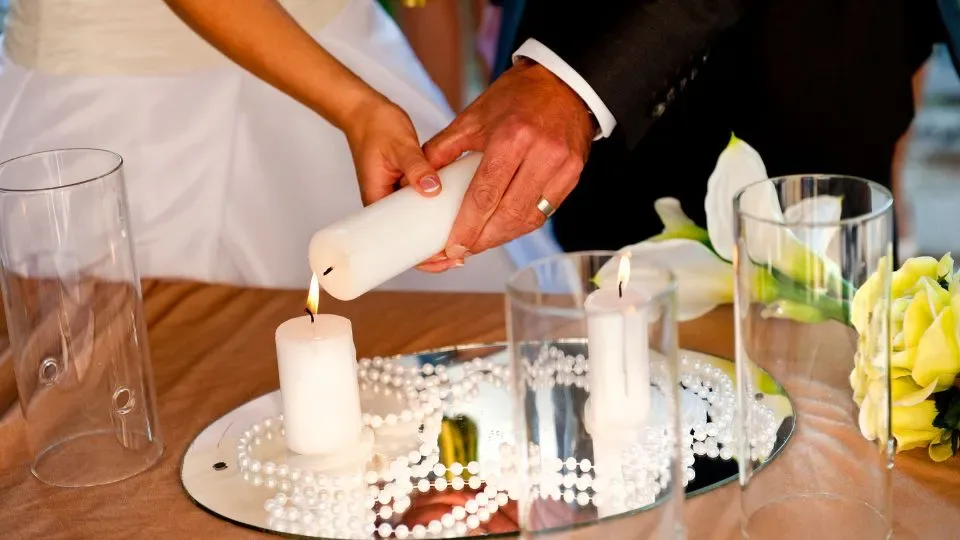
The candle ritual: illuminate your ceremony of love the light light is charged with profound symbolism, often representingvitality and positive energy , and being associated withthe human soul candles or or tapers
during a wedding ceremony thus goes beyond the simple decorative aspect; it frequently expresses a quest for spirituality and morality. For this ceremony, the preparation requirestwo individual candles as well as a third, larger one
, which can be placed in a container if desired, accompanied of course… by fire! The ritual begins witheach future spouse lighting their own candle , thereby symbolising their individuality, before walking together towards the altar. There,they jointly light the third candle , which embodies their couple and their union. Similar to the sand ritual,.
the children can also participate by having their own candles It is common for the mothers of the newly-weds to light the candles
to symbolise the life they gave them and the family continuity. Once the large candle is lit, the two smaller ones can be extinguished or left lit. In some cases, they represent the individual families who continue to support the newly-weds, or they serve as a reminder of the Christian Trinity.
This handfasting ritual is thus a ceremony imbued with meaning and emotion, offering a symbolic moment when the participants unite in spirit and in act, evoking the strength of their mutual commitment before their loved ones and before the divine.

The sand ritual: a family ritual During this ceremony, a special opportunity is offered to the children to participate actively by pouring sand into a vase. Each child is given their own container
containing a colour of sand that is unique to them. This symbolic gesture carries a profound meaning, since the sand represents the individuality of each person, reflecting their journey, their experience and their unique personality. When the children pour their respective sand into the vase, a process of symbolic fusion takes place. The grains ofsand of different colours mix together, visually illustrating theunion of the newly-weds
. This mixing of sands is metaphorical of the intertwining of the destinies and lives of the spouses, as well as their commitment to build a common future together.This ritual has a particular meaning for couples who already have children, since it symbolises not only the but also but alsothe creation of a new united family
. The children play a central role in this process, actively participating in the construction of this new family unit.
This moment can also be enriched by the exchange of vows between the spouses. The words spoken during this exchange underline their mutual commitment and reinforce the importance of their union.
Thus, this sand-pouring ritual offers a moment of profound symbolism and family sharing within the wedding ceremony. It embodies the harmony, unity and solidarity that are at the heart of the marital commitment, while actively involving the children in this precious and meaningful moment.
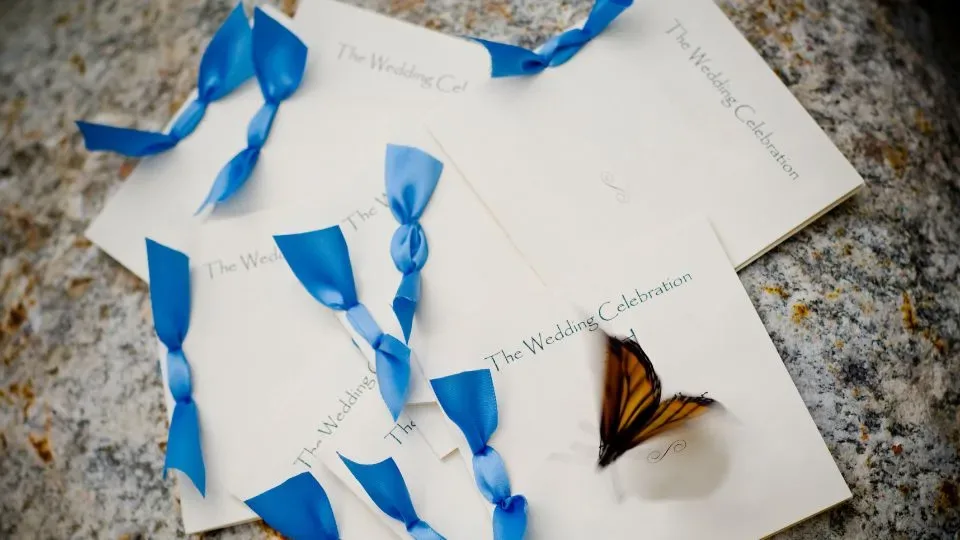
The butterfly release ritual: a delicate touch According to theancient tradition of the Native Americans, a sacred ritual for wishes to come true involves interaction with a butterfly. The legend tells thatan individual wishing to see their wish come true must first set out to find a butterfly . Once found, they must gently capture it between their hands andwhisper their wish into its ear
. Although the butterfly remains silent and unable to reveal the content of the wish, it is said that the Great Spirit, an omnipresent and omniscient entity in Native American cosmology, perceives and understands every desire expressed. This symbolic gesture of communicating one's wish to the butterfly is considered a direct connection with spiritual and natural forces. Native Americans believe that the butterfly, as a symbol of transformation and ephemeral beauty, is a messenger between the physical world and the spiritual world. Thus, whenthe wish is whispered to the butterfly
, it is transmitted to the Great Spirit, who recognises it as a sincere request from the individual.
In exchange for this respectful gesture towards the winged creature, the Great Spirit, in its magnanimity, always responds favourably to wishes expressed in this way. It is a manifestation of gratitude for the act of releasing the butterfly and a recognition of the faith and trust of the individual towards the higher forces.
This ancestral ritual, imbued with spirituality and respect for nature, is often practised at special ceremonies or in moments when an individual seeks guidance or divine intervention. It embodies the deep connection between humankind and the universe, and the belief in the manifestation of desires through subtle communication with the invisible forces that govern the world.
The wine ritual: a moment of sharing A unique ritual toseal love letters and a bottle of wine in a box
. This symbolic practice intimately links wine to marriage, highlighting its ability to improve with time, like a fine vintage that matures over the years. The course of this ritual is imbued with profound meanings. First,the newly-weds write love letters
, expressing their most sincere feelings and their wishes for the future of their union. Then, they select a special bottle of wine, representing the evolving and enriching character of their relationship over time. Together, the letters and the bottle of wine are sealed in a special box,. This box can be opened on special occasions such as the first wedding anniversary, or even after five or ten years, or any other significant milestone in their married life together.
. This box can be opened on special occasions such as the first wedding anniversary, or even after five or ten years, or any other significant milestone of their marital journey.
This ritual goes beyond the simple celebration of the wedding. It is a way to acknowledge and celebrate the evolution of the union over time, as well as the shared vows and aspirations of the spouses. Moreover, it embodies the hope and permanence of love, symbolised by the release of the butterfly, in the belief that the Great Spirit always brings about wishes expressed with sincerity.
In conclusion, this ritual represents a deep and timeless commitment between the spouses, reinforced by the symbolism of wine, love letters and the sealed box, thereby creating a memorable moment full of meaning for the couple and their loved ones.
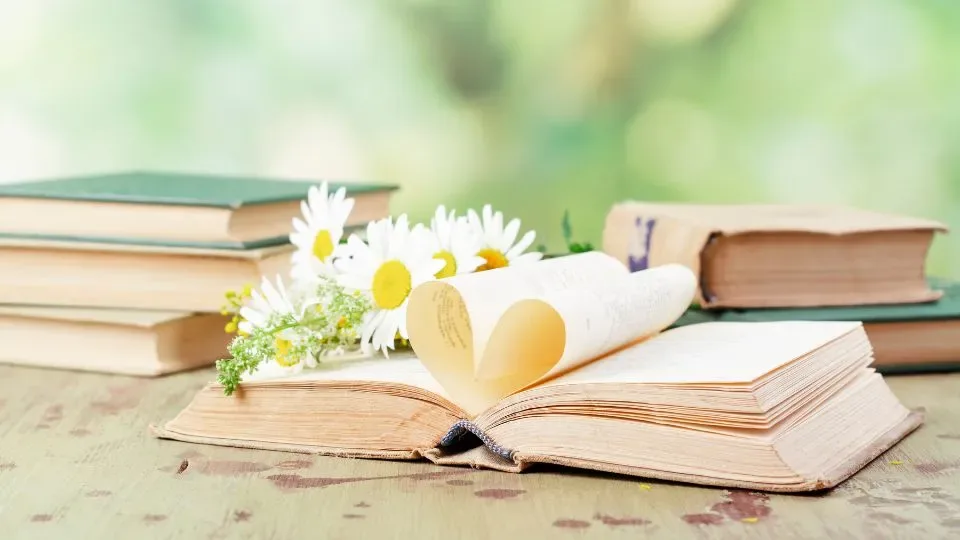
The lovers' library: your most beautiful memoriesTo make their wedding unique and full of emotion, the future newly-weds can consider involving their guests in an original and meaningful ritual. The idea is to invite each guest to participate by bringing a book, a CD, a DVD or a USB stick
on the day of the celebration. This contribution can be accompanied by a short note explaining the choice made by the guest, thus adding a personal and symbolic dimension to the ritual.
The course of this participatory ritual can be orchestrated as follows: on their arrival at the ceremony, the guests are welcomed by a table specially arranged to receive their gifts. On this table, explanatory signs or cards can be placed, indicating the purpose and the course of the ritual. The newly-weds can also provide bookmarks, labels or small notebooks where the guests can write their name and a short message to accompany their gift.
During the ceremony, at an appropriate moment chosen by the newly-weds or the officiant, the gift exchange ritual can take place. The newly-weds, surrounded by their loved ones, can take each book, CD or DVD offered, and read or listen to the message written by the guest. This moment can be charged with emotion as the newly-weds discover the choices and thoughts of their loved ones, thereby reinforcing the emotional ties and sharing between them and their guests.
Once all the gifts have been exchanged and the messages read, the newly-weds can express their gratitude to their guests for their contribution to this unique and meaningful ritual. The gifts offered then become precious memories of this memorable day, not only for the newly-weds but also for those who participated in this symbolic gesture.
In short, this participatory ritual, in addition to adding a personal and emotional touch to the ceremony, also offers a means for the guests to contribute actively to the happiness of the newly-weds, while creating lasting and meaningful memories for all participants.
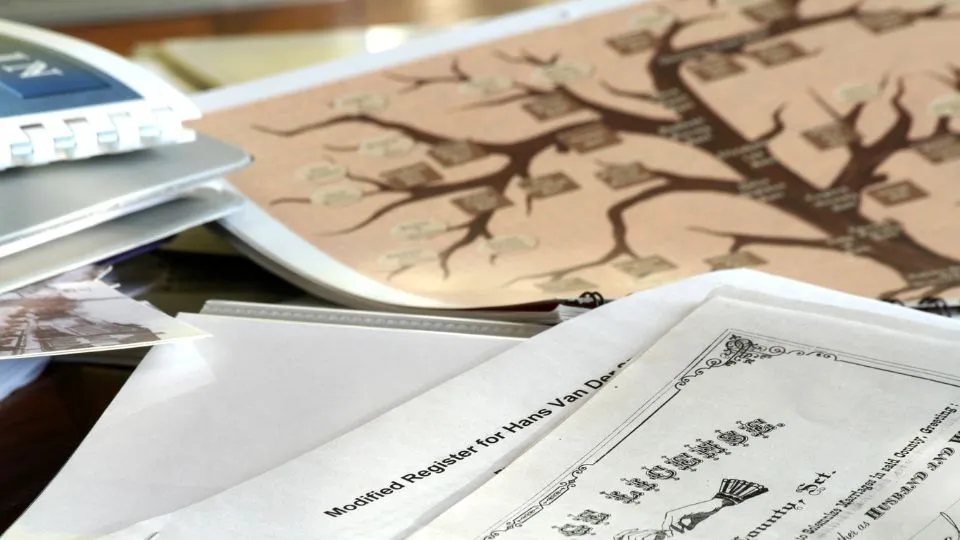
The tree ritual: never forget the people present at your ceremony During the wedding ceremony,an original idea could consist of including the planting of a small tree in a pot
, which the future newly-weds will then have the opportunity to replant in their new home. This symbolism offers a poetic representation of their future life as a couple, by evoking the journey of a tree that overcomes trials and endures through time. The roots of this tree also symbolise the connection with previous and future generations, thereby underlining the importance of family and continuity. Before the ceremony,a pot containing a young tree
, such as an olive tree, could be prepared and placed at a meaningful spot. The olive tree, rich in symbolism, embodies a multitude of values such as victory, wisdom, fidelity, immortality, hope, wealth, abundance, peace and reconciliation. This symbolic choice adds further depth to the ritual, offering the newly-weds a deep and varied meaning across the various phases of their shared life. When the time comes for the ritual, the newly-weds could be invited to plant the tree together
in a pot filled with earth, while expressing their vows and aspirations for their marriage. The officiant can then underline the importance of this symbolic act, highlighting the resilience and continuous growth that this tree represents. The guests, witnesses of this ritual, could also be encouraged to express their wishes of happiness and prosperity for the newly-weds, thereby creating a moment of sharing and emotional connection.
Dove release ritual: a flight of love
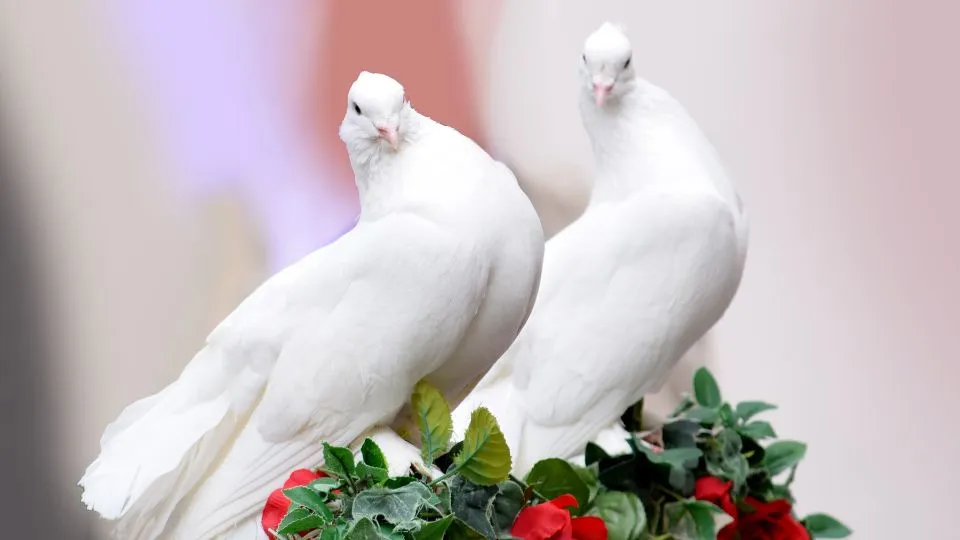
The dove ritual: a flight of love Marriage,this sacred union between two beings , is oftencompared to the symbol of doves
, representing the choice of a partner for life and the commitment to support them until the end of one's days. The white dove, since time immemorial, has been used as an emblem of values such as love, peace, purity, fidelity and prosperity through the ages. Its grace and innocence make it a powerful symbol of marital union.
During many wedding ceremonies, the release of doves is considered a poetic expression of these values. However, it is essential to understand that such a practice is subject to various restrictions and considerations. Before proposing this option to the newly-weds, it is strongly recommended that you carefully consult your supplier or wedding planner to check the feasibility and implications of this decision. The dove release ritual at a wedding ceremony generally takes place as follows: at the appropriate moment, often after the exchange of vows or the pronouncing of consent,the newly-weds each hold a white dove in their hands
. Together, they gently release the doves into the air, thereby symbolising their mutual commitment and their desire for freedom and peace in their new life together.
This simple but symbol-laden gesture is often accompanied by words spoken by the officiant of the ceremony, recalling the values represented by the doves and encouraging the newly-weds to incorporate them into their union. The release of the doves creates a moment of beauty and transcendence, adding a touch of magic to the wedding celebration, while offering the newly-weds and their guests an unforgettable memory of this very special day.
The balloon ritual: for a more discreet exchange but an unforgettable ceremony bouquet For couples who favour intimacy and do not wish to share their vows in front of their guests,a perfect alternative is to exchange letters
. This ritual offers a privileged moment where each partner can express their feelings in a personal and intimate way, sheltered from outside eyes. Generally, before the ceremony,the future newly-weds each write a letter to their beloved
, revealing in it their deepest thoughts, their promises and their vows for their future life together. These letters are often filled with sincere emotions and shared memories, which makes them precious and meaningful. When the time comes for the exchange, the newly-weds meet in a quiet and private place, away from the eyes of the guests.They give each other their letter
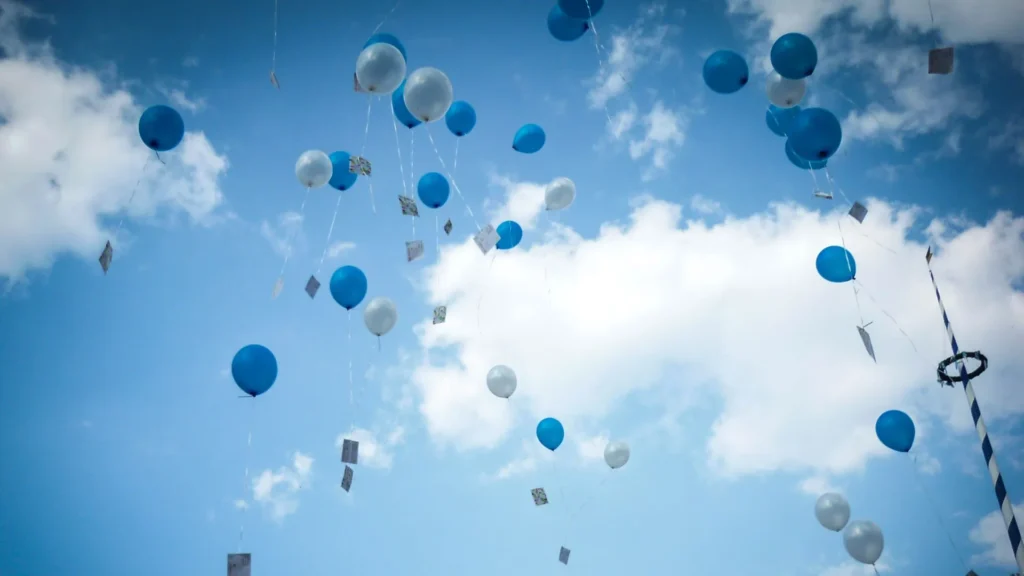
, thereby creating a moving and authentic moment of intimacy. Each then takes the time to read their partner's letter in silence, letting the words resonate in their heart.Once the reading is finished, the couples attach their letter to a heart-shaped balloon, previously inflated with helium
. This symbolic gesture represents the flight of vows and promises towards the sky, as a symbol of their love rising towards new and infinite horizons.
Then, the couples release the balloons into the sky, watching them fly away and disappear slowly into the blue. It is a magical and poetic moment, where one feels the full depth of the commitment made to one another. The guests can also participate in this moment by watching with emotion as the balloons rise into the sky, silent witnesses to the love and complicity that unite the two souls.
The exchange of letters attached to heart-shaped balloons is a ritual full of symbolism and emotion, offering modest couples a unique and meaningful way to seal their love in front of their loved ones, while preserving their intimacy. In conclusion, secular ceremoniesoffer an infinite palette of expressions to celebrate the love and commitment between two people. Whetherexchanging traditional vows , creating personalised rituals or engaging inunique symbolic gestures , each couple can shape its own celebration according to its values, beliefs and aspirations. These ceremonies bear witness to the diversity and richness of human relationships, where authenticity, love and mutual respect are at the heart of every exchange. By embracing the freedom to design meaningful moments in their own image, couples leave a unique imprint in the fabric of time, recalling that love knows no bounds